


Close UP
The Shwe Gangaw Society ~In the Hope that Children from Myanmar Living in Japan will Continue to Cherish Their Native Language and Culture~
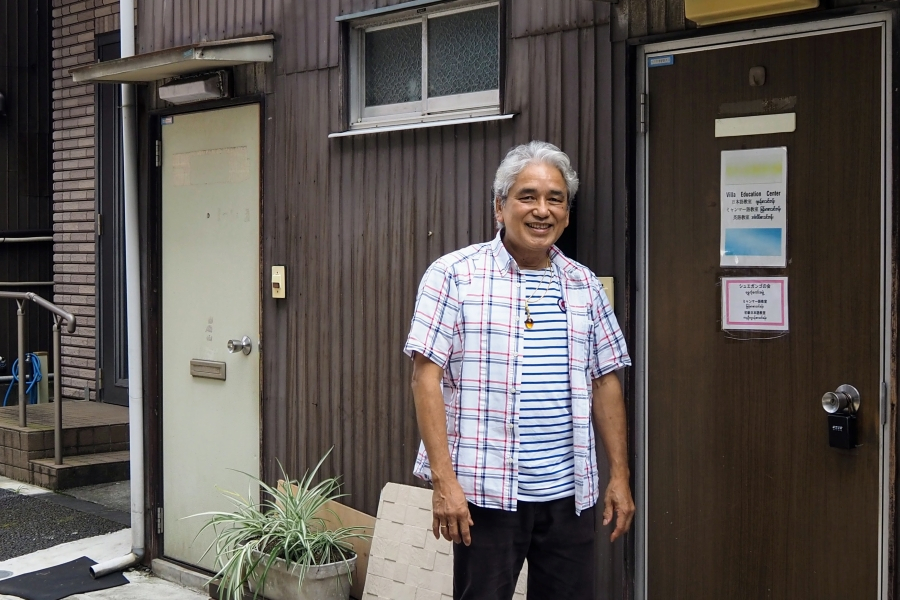
The number of Burmese living in Japan has been increasing in recent years. Additionally, a growing number of children of Burmese descent who, due to having come to Japan at a young age or having been born and raised here, have little knowledge of Myanmar’s language (Burmese) and culture. The Shwe Gangaw Society teaches the Burmese language and culture to them by holding bespoke classes and events. We spoke with Mr. Kyaw Kyaw Soe, the Chief Representative of The Shwe Gangaw Society.
- For Children Like Flowers Shining in Gold
- Bringing Families Together Through Language Transmission
- Conveying Myanmar’s Culture Through Traditional Events
- Encouraging Children to Want to Study Burmese Again When They Grow Up
- Living Together in Japanese Society
For Children Like Flowers Shining in Gold
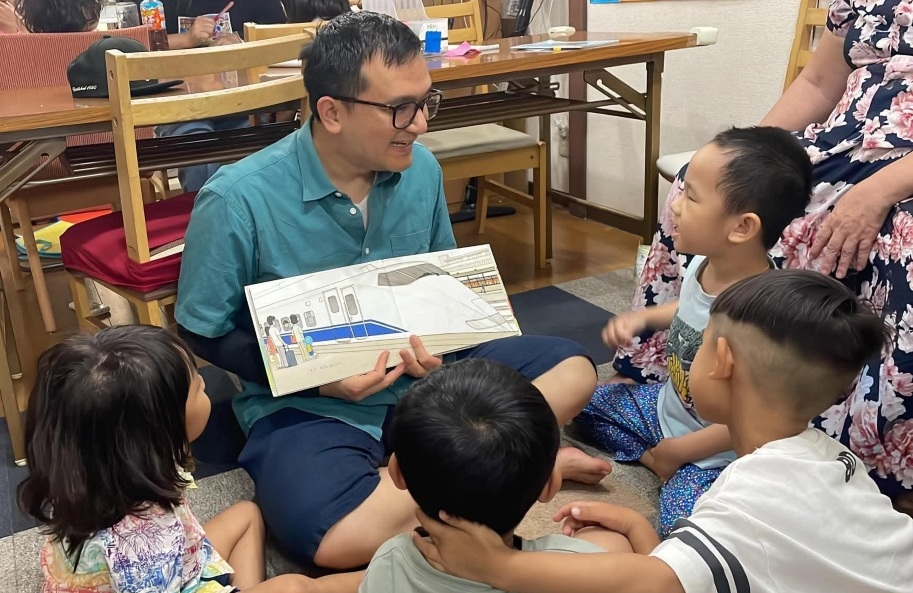
Photo Courtesy: Shwe Gangaw Society
The Shwe Gangaw Society was founded in 2014 by Mr. Kyaw Kyaw Soe and his wife, to teach the Burmese language, culture, and traditions to children of Burmese descent living in Japan. The Shwe Gangaw Society is currently run by 31 members.
“Since (Burmese) children living in Japan play and study with Japanese friends, they have almost no opportunities to experience the language and culture of Myanmar outside of their families. I felt that this would become a challenge (for children) in the future. We founded this organization so that children could become familiar with Myanmar’s language and culture, and so they could learn that there are people who share their roots. These activities were also a dream of my wife, who was formerly a teacher,” says Mr. Kyaw Kyaw Soe.
Mr. Kyaw Kyaw Soe runs a Burmese restaurant called RUBY in Takadanobaba. A Burmese language class is held nearby every Saturday. Children ages 3 to 11 attend the class. Word about The Shwe Gangaw Society has spread through Facebook and word of mouth, and the classes are always full.
The word “shwe” in the name “The Shwe Gangaw Society” means ‘gold’ in Burmese, while “gangaw” refers to the name of a flower famous in Myanmar. “People in Myanmar love gold and often include it in their names. Gangaw is a fragrant flower that blooms in the spring. In Myanmar, children are often referred to as flowers. (Children) are flowers that will bloom into a beautiful future,” says Mr. Kyaw Kyaw Soe.
Bringing Families Together Through Language Transmission
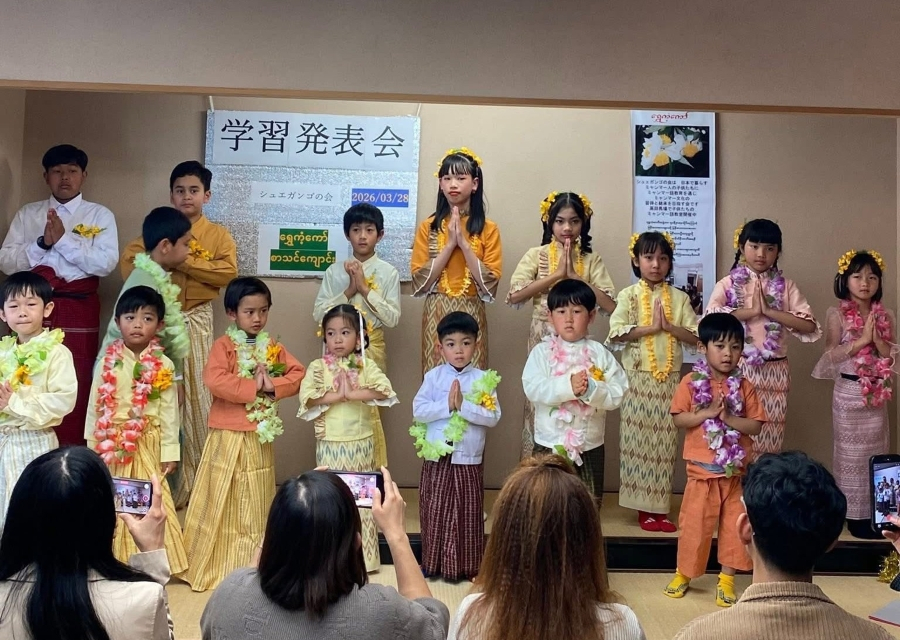
Photo Courtesy: Shwe Gangaw Society
The Burmese language class offers a basic literacy class for children ages 3 to 6, as well as a class for children ages 7 and older where they learn grammar and other topics. In the classroom, teachers carefully select the material they teach to ensure that children can learn Burmese effectively, even in a once-a-week class. In addition to teaching the children Burmese, the teachers encourage the children’s parents to speak Burmese as much as possible at home. “If parents speak Burmese at home, their children become able to understand it, even if they can’t speak the language themselves. Children who have both languages in their heads sometimes speak Burmese with their teachers and Japanese with other children,” says Mr. Kyaw Kyaw Soe.
Among the children who learned Burmese in class, there was one who actually wanted to go to Myanmar.
“I think (that child) gained the confidence to believe that one could speak (Burmese). (That child) wasn’t actually able to go to Myanmar right away, but we arranged for them to speak online with their grandparents in Myanmar, in the Burmese language,” says Mr. Kyaw Kyaw Soe. Language transmission transcends national borders and brings families together.
Conveying Myanmar’s Culture Through Traditional Events
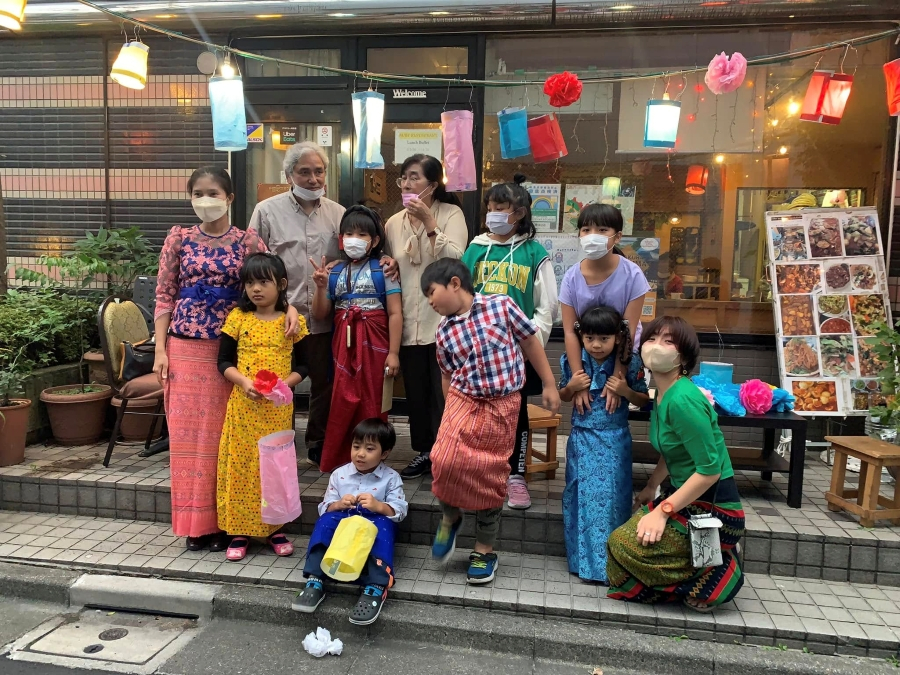
Photo Courtesy: Shwe Gangaw Society
The Shwe Gangaw Society is not only dedicated to teaching Burmese, but also to passing on Myanmar’s culture and traditions to children.
In mid-October, the Thadingyut Festival (Lighting Festival), a traditional festival of Myanmar, takes place. People light lanterns and candles to welcome the Buddha descending from heaven to earth. This festival is also a day to express gratitude and respect to those who look after people in their daily lives, such as parents and teachers.
“Thadingyut is a day when people ask for forgiveness from those to whom they owe a debt of gratitude for the wrongs they have committed over the past year. The person receiving the apology responds by saying, ‘I forgive you.’ By participating in this event (held by the Shwe Gangaw Society), I want children to learn about Myanmar’s culture of respecting one’s elders and forgiving one another no matter what happens,” says Mr. Kyaw Kyaw Soe. The children wear traditional costumes and enjoy a meal of Myanmar cuisine together.
Also, while January is a time of New Year’s celebration in Japan, Myanmar’s traditional New Year (Thingyan) is in April. For three days, people pour water on each other and enjoy singing and dancing, intending to wash away the misfortunes of the past year. At the festival organized by the Shwe Gangaw Society, children also enjoy pouring water on each other using buckets and cups to celebrate the New Year. People also make sweet rice dumplings called “Mont-Lone-Yay-Paw” filled with brown sugar and eat them sprinkled with coconut flakes. During the festival, while the children hand out sweets in front of the restaurant named Ruby, neighbors passing by gather around.
Encouraging Children to Want to Study Burmese Again When They Grow Up
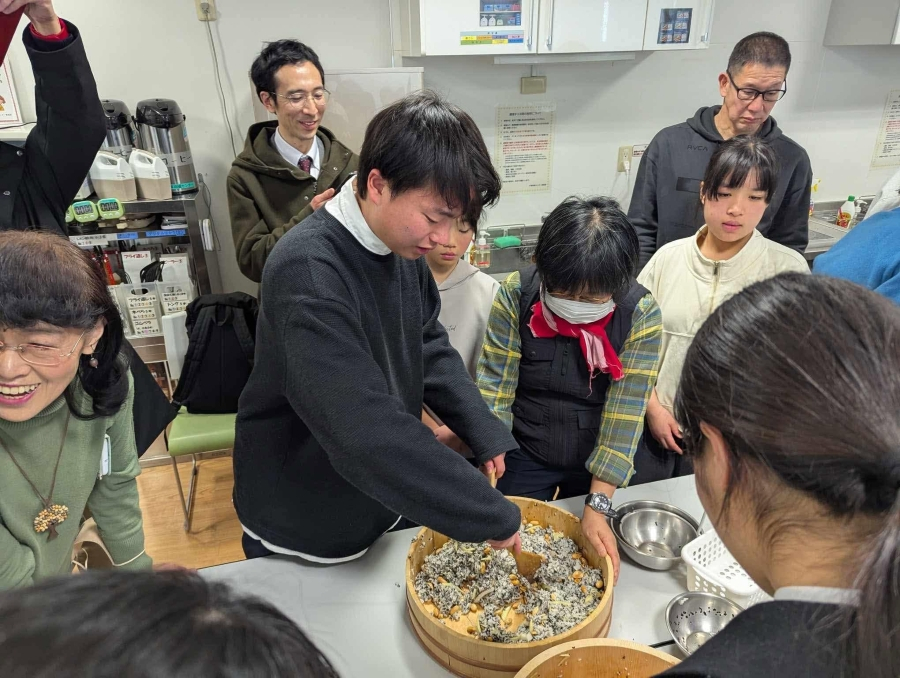
Photo Courtesy: Shwe Gangaw Society
At the Shwe Gangaw Society, children not only learn their language and culture, but they also have the opportunity to reassure themselves in regards to their identity and feel a sense of connection with others who share the same roots.
“Although opportunities to use Myanmar’s language and culture may be rare while living in Japanese society, I believe they are essential to the children’s own sense of identity as members of the Burmese community. I want children to have at least a basic understanding of their roots—their own language and culture. Isn't it our responsibility as adults to create an environment that makes that possible?” says Mr. Kyaw Kyaw Soe.
As children of Burmese roots grow up in Japanese society, they spend more and more time exposed to the Japanese language. Regarding the declining number of children who still speak Burmese as their time of living in Japan grows longer, Mr. Kyaw Kyaw Soe states the following:
“If children are not able to develop an interest in the Burmese language and culture as they grow up, they will gradually forget their language. I hope that the time and memories the children have here (the Shwe Gangaw Society) will serve as motivation for them to learn the language and culture and maintain their connection to Myanmar.”
Living Together in Japanese Society
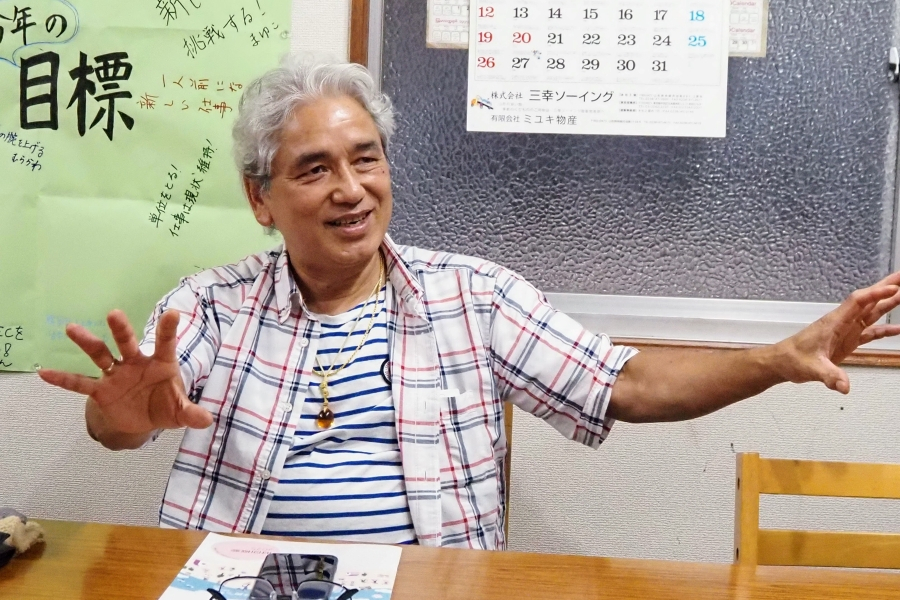
In operation for over 10 years, the Shwe Gangaw Society plans to use grants and other funding to expand classroom sizes and create opportunities for more children to learn. In addition, Mr. Kyaw Kyaw Soe recognizes the need for Japanese language learning opportunities for the children’s parents at Villa Education Center, another organization where he serves as vice president. They provide opportunities for the parents’ generation to learn Japanese.
「“In recent years, the number of Burmese families coming to Japan has been increasing. For children, of course, but also for their parents, understanding Japanese culture and customs—and learning the Japanese language—is essential for living in Japanese society. And as they live in Japan as foreigners, they sometimes encounter problems that they cannot resolve on their own. I think it’s important to get to know Japanese people at workplaces and in their neighborhoods—not just other Burmese living in Japan—and to build relationships where we can help one another in case such a situation arises,” says Mr. Kyaw Kyaw Soe.
For this reason, the Shwe Gangaw Society also provides opportunities for Burmese and Japanese people to interact.
In Myanmar, the “Thamane Festival” is held in February. This event is similar to Japan’s “mochi-tsuki” (rice cake pounding); participants make and eat “thamane,” a mixture of mochi rice combined with ingredients such as ginger, peanuts, sesame seeds, salt, sugar, and coconut. The Thamane Festival is a popular event organized by the Shwe Gangaw Society, attended not only by children but also by Japanese people known to Mr. Kyaw Kyaw Soe, Japanese college students, and neighbors.
“It would be great if events like these became opportunities for Burmese and Japanese people to interact, wouldn't it? I believe that multicultural coexistence means both foreigners and Japanese people making an effort to reach out to one another—for example, by exchanging greetings with neighbors—so that we can help each other out when something happens.”
Mr. Kyaw Kyaw Soe has lived in Japan for over 30 years. Through his various activities with multiple organizations, he has become a vital bridge between Myanmar and Japan.