

Close UP
iroToriDori -Multicolored Neighborhood- ~Creating a Place Where Neighbors From All Walks of Life Meet and Support One Another~
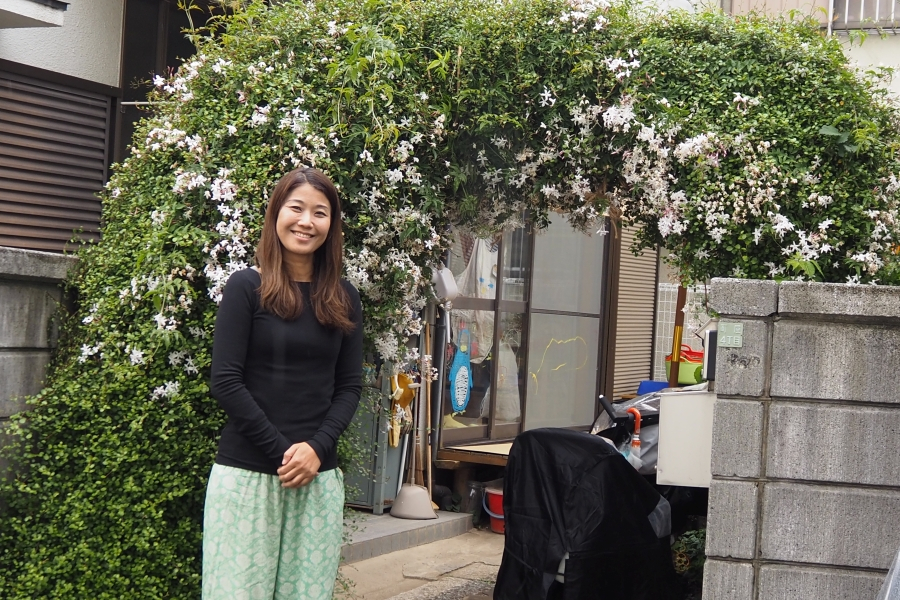
There are more than 20 parenting support groups in Arakawa City. One of these groups, iroToriDori, is responsible for running the “ilona Oyako no Engawa Parenting Group.” To foster connections among the diverse people of the community, iroToriDori runs initiatives such as “Multilingual Park,” a space for multicultural and intergenerational exchange, and the “Shitamachi Arakawa Ohisama Network,” which involves activities like cultivating soybeans, harvesting them, and making miso. We spoke with Ms. Minori Shirai, the dynamic founder of iroToriDori.
- Community Building that Starts with a Place Where People From All Walks of Life Come Together
- Creating Places in the Community That People Can Visit Whenever They Want
- Fairness in Thought, Individuality in Response-Our Goal is to Create a Cycle of Joy
- Supporting Each Other’s Desire to Try New Things by Leveraging Each Person’s Strengths
- Making More Connections Allows You to Live with Peace of Mind in the Community
Community Building that Starts with a Place Where People From All Walks of Life Come Together
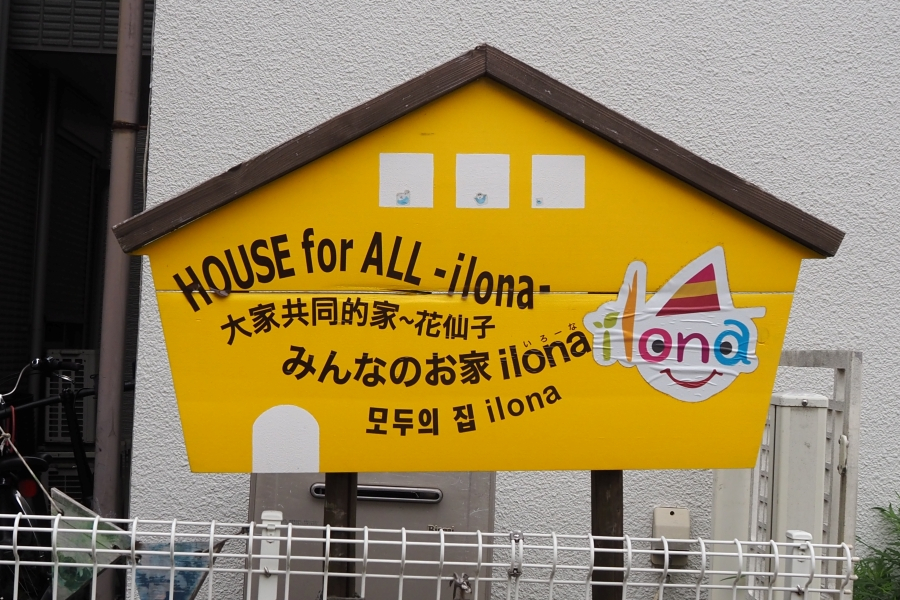
Photo Courtesy: iroToriDori
iroToriDori is an organization that aims to build communities where people from diverse backgrounds coexist, taking its starting point in a parenting support group. Led by its representative, Ms. Shirai, this group consists of fellow parents who are exploring ways to support the local community through activities such as hosting a parenting support group, running a Multilingual Park, and participating in local networks. The origins of iroToriDori’s activities date back to the establishment of the “Multilingual Park” in 2015.
“Arakawa City is home to many foreign residents. (In the past,) Whenever I passed someone on the street who looked like they were in trouble, I would feel concerned but couldn’t bring myself to speak up-either because I lacked the courage or because a language barrier got in the way. I thought that if I were regularly in environments where I interacted with people from different countries, I might be able to offer help even if I didn’t know the person’s native language. I wanted to create an environment where people could help one another despite language barriers,” says Ms. Shirai.
Everyone has moments when they want to do something but find it hard to take that first step. But Ms. Shirai says she suddenly decided to go to the City Office for some advice.
“I went to the city office without really preparing anything, but when I explained what I wanted to do, a staff member said, ‘We’ve been waiting for someone just like you!’”
From there, with the support of the Arakawa City Social Welfare Council, Ms. Shirai was introduced to public facilities and grants available in Arakawa City. And, her organization’s activities got off to a flying start. While distributing flyers at a children’s center, Ms. Shirai met Ms. Ujiie, who is now the organization’s vice president. Together, they launched “Multilingual Park,” a program where parents and children from various countries and regions may interact, and began operations in 2015.
Creating Places in the Community That People Can Visit Whenever They Want
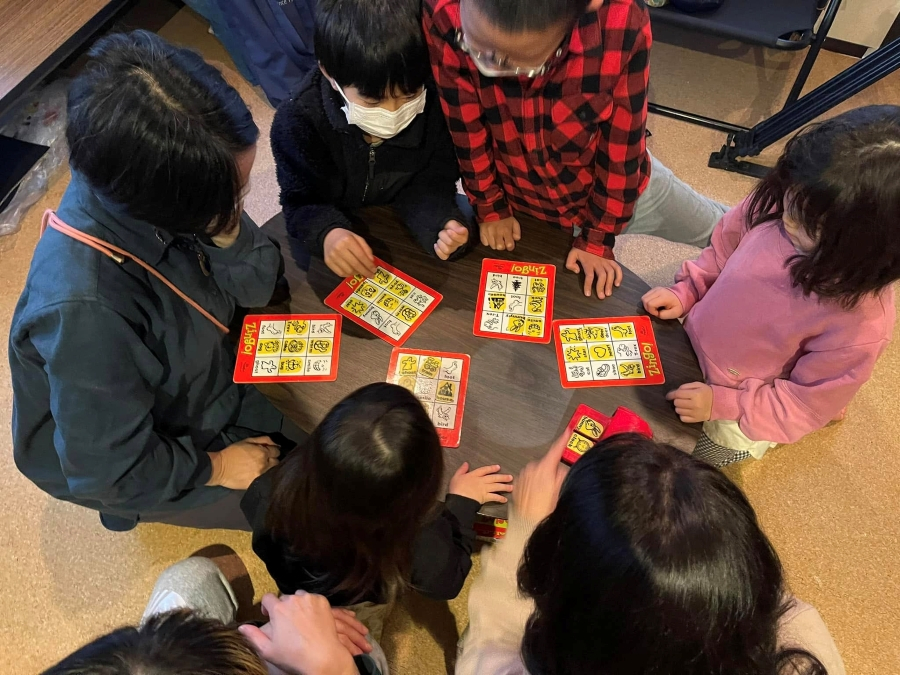
Photo Courtesy: iroToriDori
At first, “Multilingual Park” was held two to four times a month for parents and children ranging from newborns to preschool age. Using Japanese as the base language, they engaged in activities that exposed children to a variety of languages through singing and picture books being read to them. Parents and children of various nationalities, primarily from Asia, participated in the program. However, as the activities continued, several challenges and limitations of operating as a Multilingual Park became apparent.
“Through providing consultations on topics ranging from how to dispose of bulky waste to daily life issues, as well as advice on enrolling children in daycare and job hunting, I came to realize the challenges foreign residents face while raising children and living in Japan. It’s also difficult for parents to get together regularly while bringing their children. I thought we should create a place in the community where anyone can drop by easily and get advice whenever they need support for raising children,” says Ms. Shirai.
“In 2019, following the launch of the ilona Oyako no Engawa Parenting Group, we changed our name to iroToriDori to serve as an umbrella organization overseeing all our activities, including Multilingual Park. I want the children in this community to grow up in an environment where the diverse people living in the neighborhood respect and support one another, regardless of cultural background, age, or disability,” says Ms. Shirai. With the mission of “showing children how to enjoy life, getting to know one another, respecting each other, and living happily together,” iroToriDori’s activities continue to expand.
Fairness in Thought, Individuality in Response-Our Goal is to Create a Cycle of Joy
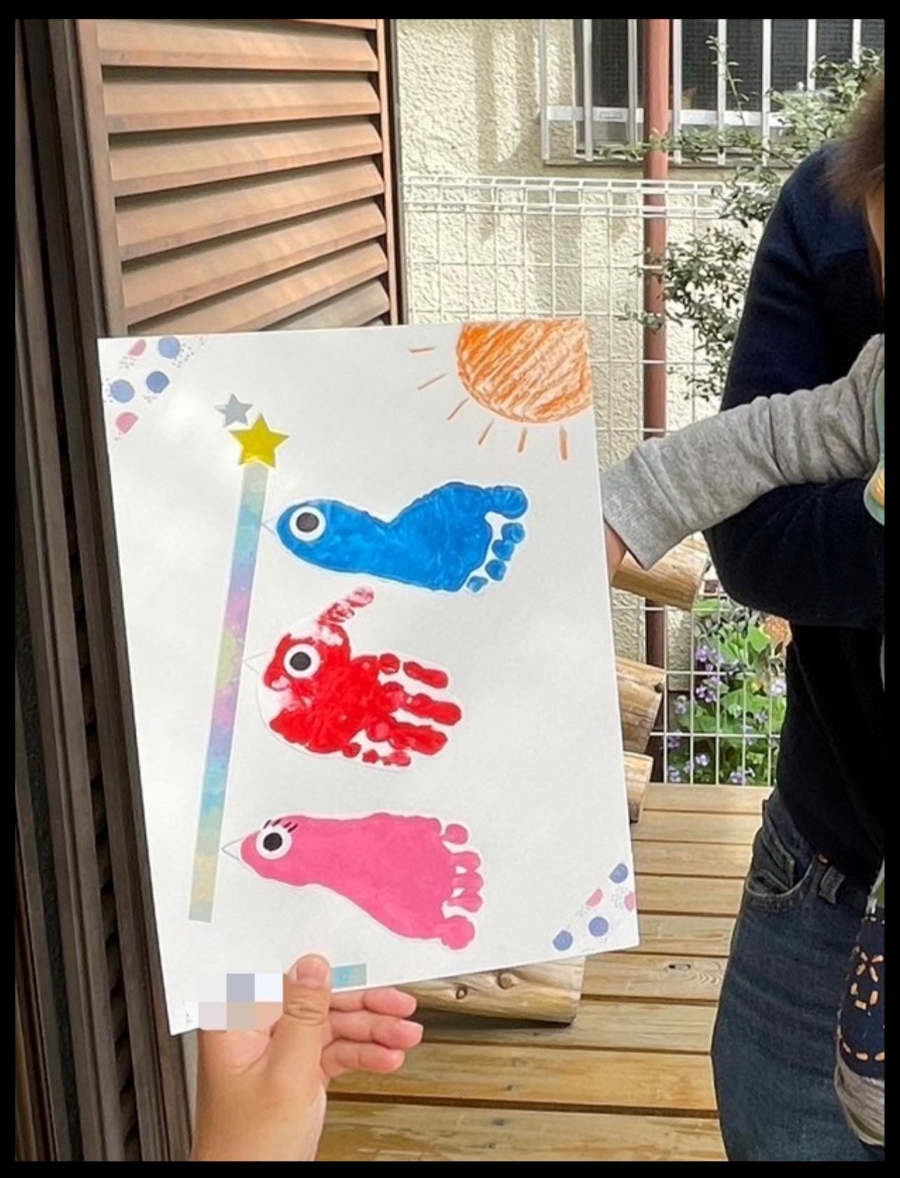
Photo Courtesy: iroToriDori
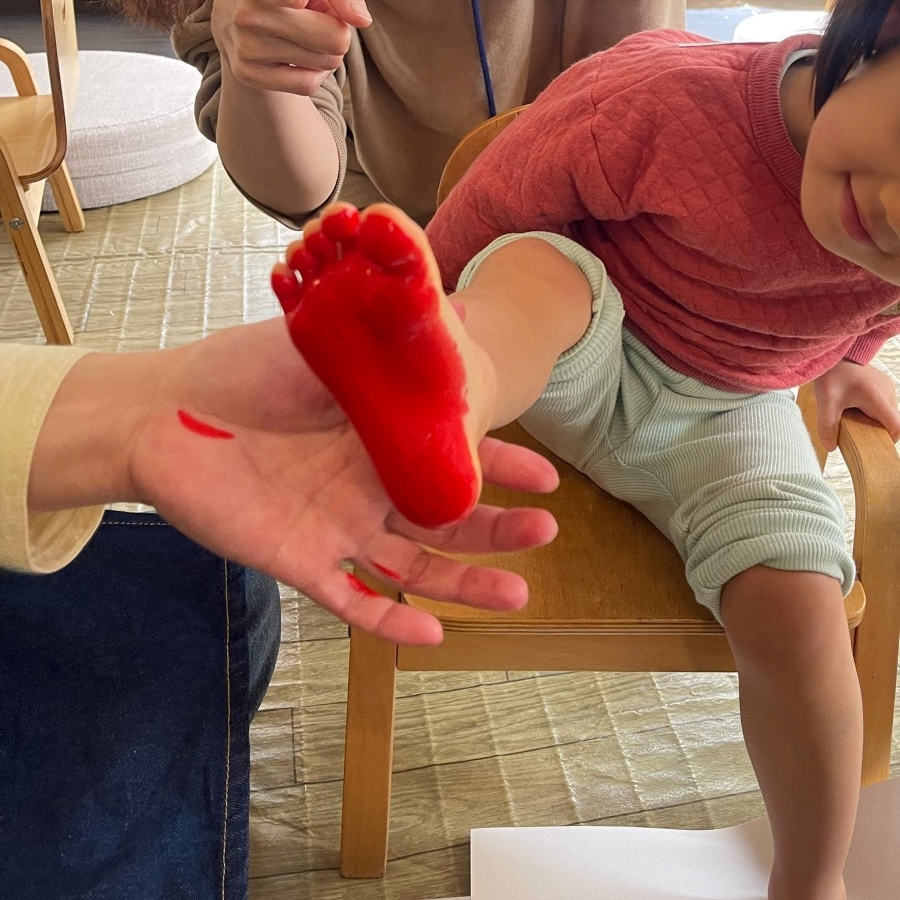
ilona Oyako no Engawa is usually open Monday through Friday from 9:00 AM to 3:00 PM. Drop-in childcare is available after 3:00 PM. In addition, Multilingual Park and other events are held occasionally.
“We share the concept of fairness in thought and individuality in response, among our members. Everyone’s situation is different, and even for the same person, it varies from day to day. We prioritize adapting our approach to meet the specific needs of individuals at any given time. We talk among ourselves about how we’d rather be seen as local friends or neighborhood aunties than staff,” says Ms. Shirai. She explains that they go out of their way to ensure that parents and children can enjoy participating together.
One of the most popular events at ilona Oyako no Engawa is the Five Senses Play activity. For example, hands-on experiences where children can freely try out instruments, such as playing the violin or cello, are particularly popular. Playing in the mud and dirt—something that’s hard to do in the city—is also a favorite among children.
We asked Ms. Shirai what she values most in her work. “We value each person and welcome them with a smile. We also strive to create an environment where everyone present can have a good time. We place great importance on making sure our visitors feel that coming here was worth it, and we hope to keep that sense of enjoyment circulating.” These are the core principles that underpin all of iroToriDori’s activities and are shared by all members.
Supporting Each Other’s Desire to Try New Things by Leveraging Each Person’s Strengths
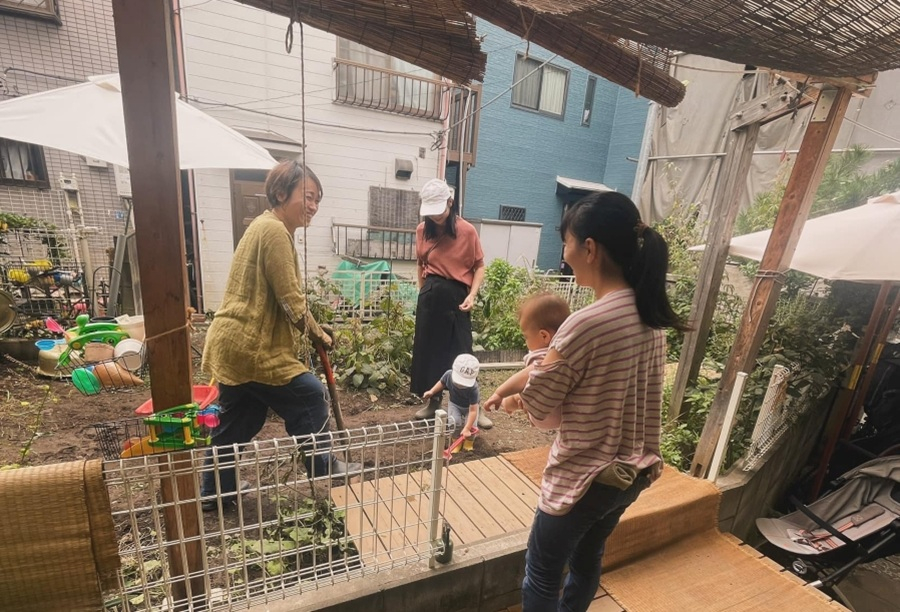
Photo Courtesy: iroToriDori
With the establishment of its base, iroToriDori’s activities are expanding even further. Ms. Shirai serves as co-representative of “Shitamachi Arakawa Ohisama Nekkowork (Ohinekko),” a project that brings Arakawa area residents together through soybean cultivation. And, members of iroToriDori also participate in activities throughout Arakawa City. In 2017, Ms.Ujiie, co-representative of iroToriDori, founded “Hidamari: A Support Group for Raising Children with Special Needs,” which is made up of children with developmental disabilities, and their parents. At Hidamari, they hold a sharing session for parents approximately once every two months, and when they are short-staffed, members of iroToriDori help out. In addition, it is said that various new ideas are taking shape regarding iroToriDori’s activities.
“This is also a place where we support everyone’s desire to try new things. There are things one person can’t do alone, but we might be able to do together. We want to continue valuing each person’s individual challenges. Several years have passed since the organization’s founding, and now, rather than the director running everything, the staff members come up with and organize events on their own. We aim to create a space where everyone can get actively involved,” says Ms. Shirai.
Making More Connections Allows You to Live with Peace of Mind in the Community
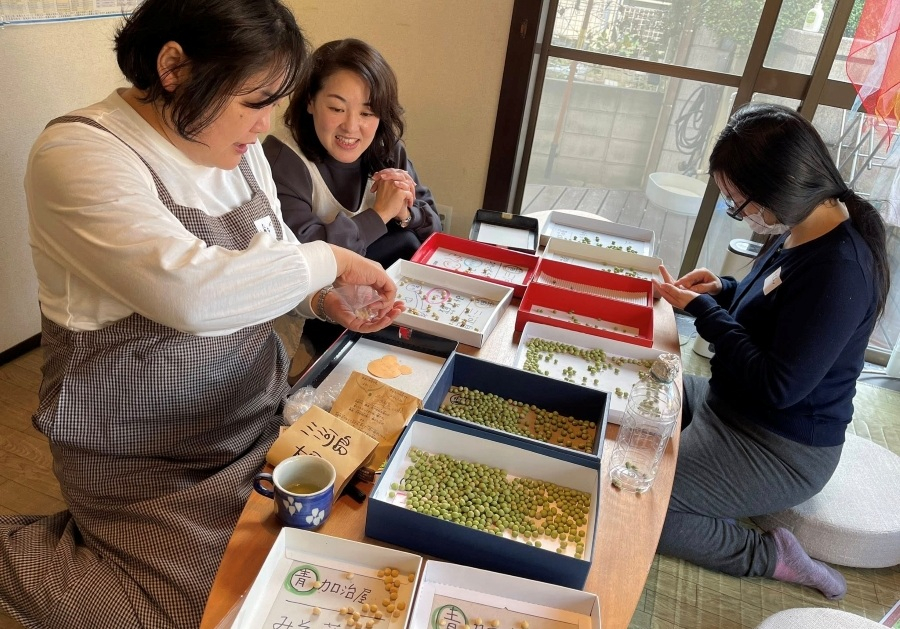
Photo Courtesy: iroToriDori
“I moved into Arakawa City after I got married, so I didn’t have any friends in the area who were also raising children. Through my work with iroToriDori, I’ve made more connections in the community and truly feel that my life has become richer. It’s reassuring to have people you know in the neighborhood, isn’t it? For some people, simply participating in parenting support groups means that their connections with people in the community come to an end as soon as their child starts daycare or preschool. Through various initiatives, including Ohinekko, we hope to serve as a bridge connecting people-one that provides opportunities to maintain ties with the local community across generations, job titles, and nationalities,” says Ms. Shirai.
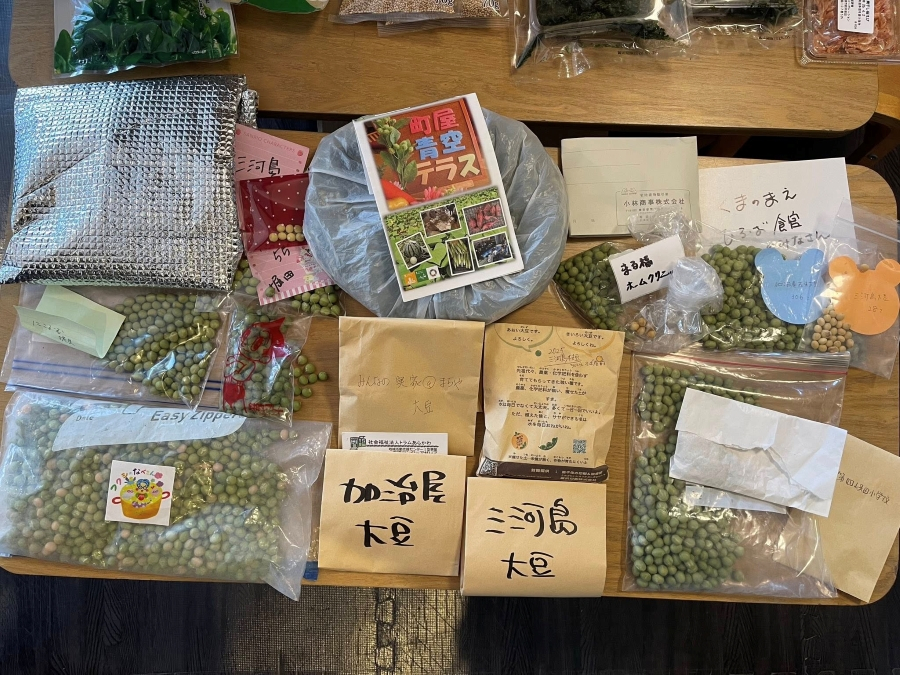
At Ohinekko gatherings, participants make miso using soybeans grown from seeds collected from the families, facilities, companies, schools, and shops participating in the project. At this miso-making event, participants enjoy dishes made with the miso prepared. The Shitamachi Arakawa Minnano Miso Project offers opportunities to get involved in a variety of ways, from growing soybeans to simply purchasing miso at local shops. At times, Ms. Shirai receives messages from people who have purchased “Shitamachi Arakawa Minnano Miso,” making this initiative one that allows even those with little connection to the local community to feel a sense of belonging.
“My vision has remained unchanged since the very beginning, but I’ve been exploring and refining iroToriDori’s approach and target participants. Through my activities so far, I’ve formed connections with all kinds of people, and my own world has expanded as a result. When people who are just acquaintances work together on the same project, it deepens their mutual understanding and broadens the areas where they can be more forgiving of one another, doesn’t it? By building up our community of neighbors in this way, I want to foster relationships within the neighborhood where we can help one another when the time comes,” says Ms. Shirai.
Through iroToriDori’s activities, we are bringing together the diverse people in our neighborhood and, step by step, moving closer to a society where we can live together and support one another, transcending generations, cultures, disabilities, and nationalities.